For years, Sneha Karma Foundation served India from a distance, channelling support through partners and volunteers. On January 31, 2022, that changed: Sneha Karma Foundation India was officially registered in Assam. This is the story of how it happened — and of what it takes for a small foundation to grow roots.
Working from a distance
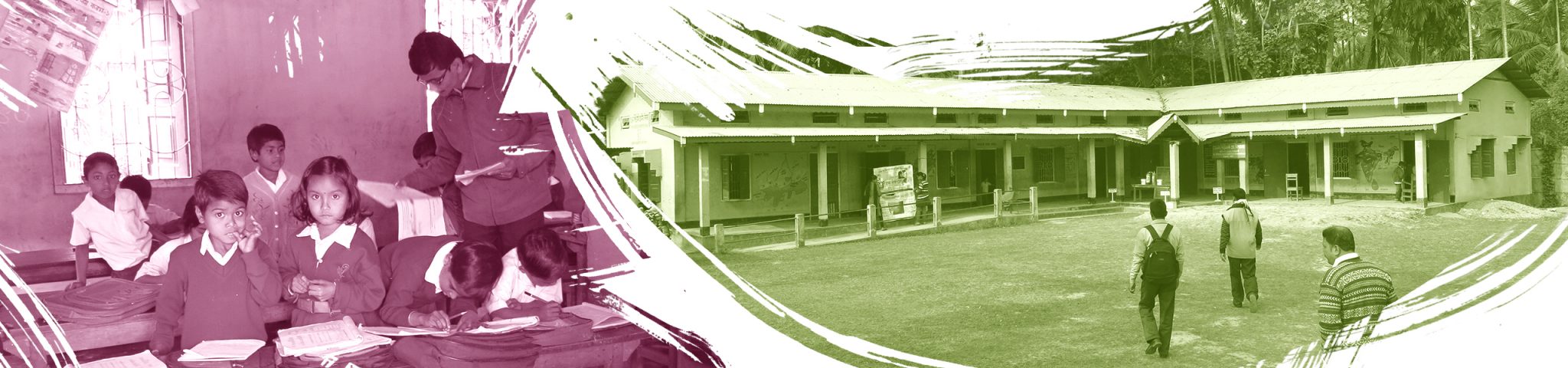
Every organisation that works across borders starts somewhere, and most start with distance. Sneha Karma Foundation was registered in the United States in 2015, but its work has always been in India — above all in the forest villages around Garbhanga, in Assam. For years we did what many international nonprofits do: we raised support abroad and moved it through local partners, schools, volunteers and teachers who knew the ground far better than we did.
That model did real good. Children went to school, girls were kept safe, families received help. But it also had limits, and over time we felt them keenly. Scaling a mission from abroad is slow: every decision travels across time zones. It separates you from the very ground where the change is supposed to happen. And it makes accountability more complicated than it should be, because the people funding the work are far from the people doing it.
The decision to plant roots
To truly grow, we concluded, we needed roots in India itself: a registered Indian entity, accountable to Indian law, able to receive Indian support, and able to operate directly in the communities we serve. It was not a decision about paperwork. It was a decision about proximity — about being close enough to hire locally, contract locally, and make decisions where the girls actually live rather than where the donors do.
So we worked toward it, methodically and patiently. And on January 31, 2022, it became real: Sneha Karma Foundation India was officially registered in Assam — the state that has been home to our earliest work and where the first chapter of our story on the ground was written.
Registered in Assam — where our work began
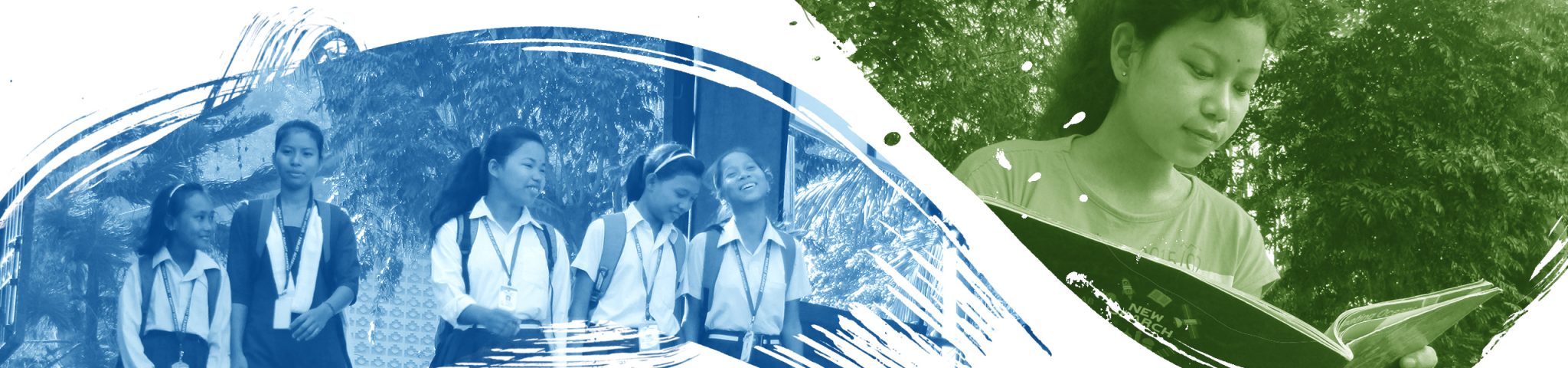
It felt right to register in Assam. Our founding programs took shape in the forest villages around Garbhanga, where girls were the last to be sent to school and the first to be pulled out of it. Assam is not simply where we operate; it is where we learned to listen before we built. Anchoring Sneha Karma Foundation India there connects the organisation to the people and the place that shaped it.
Proximity changes everything. With an Indian registration, we can contract locally, hire locally, and work directly with families, schools and village leaders. Decisions that once travelled across time zones can now be made where the girls actually live. That is not a convenience. It is the whole point.
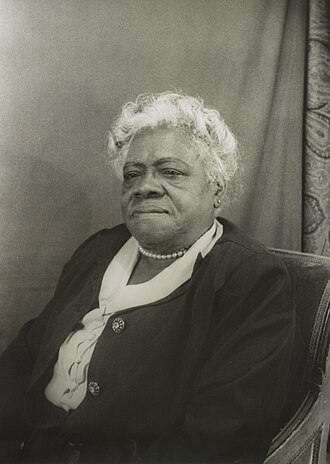
“As we work to create light for others, we naturally light our own way.”
Mary McLeod Bethune
Educator and civil rights leader
What registration actually involves
Becoming an Indian nonprofit is not a single act. It is a chain of legal, financial and governance steps, each of which has to be done properly before the next becomes possible. Registration itself requires documents, office bearers, a defined mission, and compliance with Indian law. Then comes the patient work of building the structures a serious organisation needs: clean books, defined roles for the people who govern it, and the discipline of reporting to Indian authorities rather than only to foreign supporters.
This is not glamorous, and it is not quick. But it is what turns good intentions into an institution that can be trusted with long-term, large-scale work. Registration is a beginning. Credibility is what turns it into impact.
Why an Indian entity helps us scale
Registration unlocks the practical machinery a program needs in order to grow responsibly — the day-to-day changes that matter more than the certificate itself:
Receive Indian donations directly — making it easy for individuals and companies in India to support the mission.
Partner with Indian institutions — schools and companies can work with us under Indian legal and tax frameworks.
Operate at scale — more girls enrolled, more training delivered, more villages reached, with local governance and oversight.
Hire and contract locally — keeping resources and decisions in the community, close to the girls they serve.
Build local trust — supporters can see a transparent, Indian-registered organisation accountable to Indian authorities.
None of this replaces the importance of our American supporters, whose generosity built everything that came before. What it does is add a second foundation, rooted in India, so that the mission is no longer dependent on a single channel across an ocean.
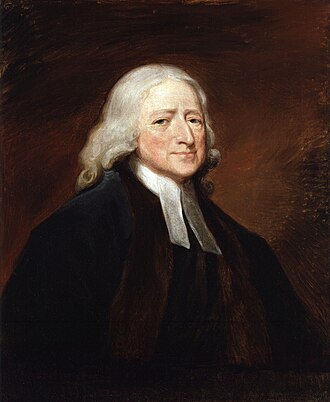
“Do all the good you can, by all the means you can, in all the ways you can, in all the places you can, at all the times you can, to all the people you can, as long as ever you can.”
John Wesley
Theologian
80G, 12A and FCRA — explained for donors
For donors, three Indian registrations matter, and it helps to understand what each one is for:
12A grants an Indian nonprofit income-tax exemption on its own income — it recognises the organisation as a genuine charitable entity.
80G is what matters most to donors: it makes donations to the organisation eligible for a tax deduction under Indian law.
FCRA (the Foreign Contribution Regulation Act) is the registration an Indian nonprofit needs in order to receive foreign donations directly.
A registration is a beginning; credibility is what turns it into impact. On March 24, 2023, Sneha Karma Foundation India received its 80G provisional certification, which means that donations made to Sneha Karma Foundation India are eligible for tax exemption for the donor under Indian law. That single certification changes the conversation with our Indian supporters. Individuals can give with confidence, and companies looking to direct their CSR budgets can partner with us knowing their contributions are recognised under Indian tax rules. It removes a real barrier between goodwill and the girls who need it — and it signals that the organisation meets the standards Indian law sets for responsible nonprofits.
The road to FCRA
With registration and 80G in place, our next milestone is FCRA — the registration that allows an Indian nonprofit to receive foreign donations directly. Today, our supporters outside India give through Sneha Karma Foundation USA. FCRA approval would let Sneha Karma Foundation India receive international support directly, simplify our operations, and give us far greater flexibility to scale. We are working towards it methodically: strengthening governance, documenting our programs, maintaining clean financials and ensuring we meet every requirement the process demands. It is painstaking work, but it is the responsible way to grow — and it is worth it.
“Save a girl from poverty and you change the story of her family for generations.”
Sneha Karma Foundation
Impact
What this unlocks for the girls we serve
Behind every certificate is a girl. An Indian entity and 80G certification are not milestones for their own sake — they are the rails that let us move faster and further. More girls enrolled in school and carried from the classroom to a career. More women trained in marketable skills. More artisans earning a dignified livelihood through our social enterprise. More villages where a girl is finally given the fair start she was denied.
The goal has not changed since the day the idea was born: to support underprivileged girls until they are independent, self-empowered, and able to stand on their own. What has changed is our ability to do it at scale, inside India, with the trust and the structures that make long-term work possible.
Why roots matter
Becoming an Indian nonprofit was, in the end, an act of commitment. It said that this work is not something we do at a distance and could one day stop doing. It said that we intend to be here — rooted, accountable, and close to the ground — for as long as it takes to see a generation of girls stand on their own.
Sneha Karma Foundation India being registered on January 31, 2022, and receiving its 80G provisional certification on March 24, 2023, are milestones we are proud of — but they are markers on a longer road. The next one is FCRA, and beyond that, a generation of girls whose futures look different because of work that is rooted, accountable and close to the ground. Together with Sneha Karma Foundation USA and our volunteers around the world, this Indian chapter gives our mission real depth. Care, turned into action — now with roots in the soil where it matters most.